Hydro Jetting a Sewer Line in Davidson, NC: What PSI Is Used and What to Expect
Thompson Plumbing & Pump Service Inc.
Hydro jetting a sewer line in Davidson, NC, is a highly effective cleaning method. This article explains how the process works, what PSI is used for, and what to expect on service day.
Davidson sits in the Piedmont region where clay-heavy soil shifts seasonally, putting pressure on underground pipes. This environment, combined with the area's mix of older homes near the historic college town core and newer developments along the Lake Norman corridor, creates unique challenges for sewer lines. A hydro jetting pipe line service can clear those pipes thoroughly when a standard snake cannot do the job.
How Does Hydro Jetting a Sewer Line Work?
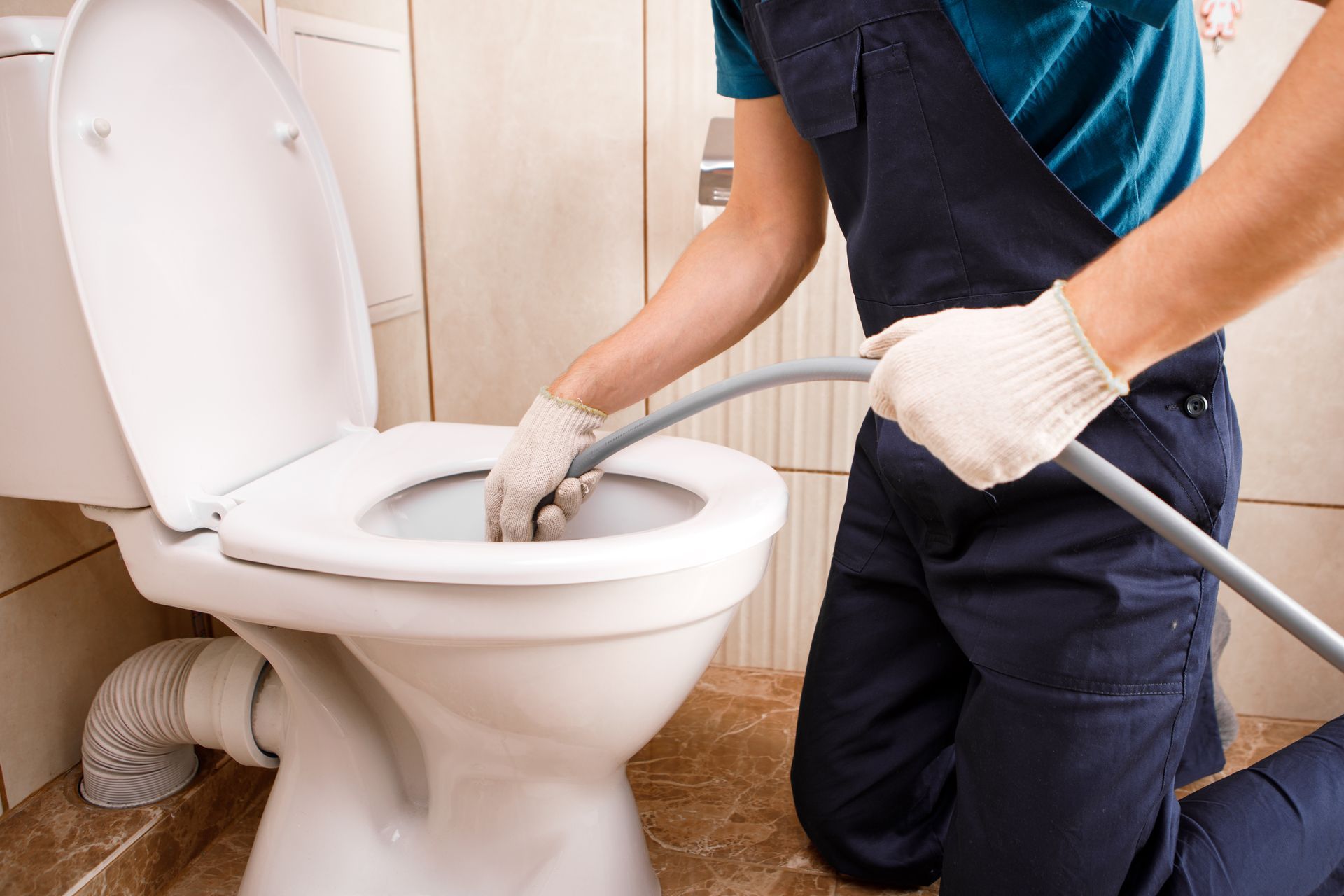
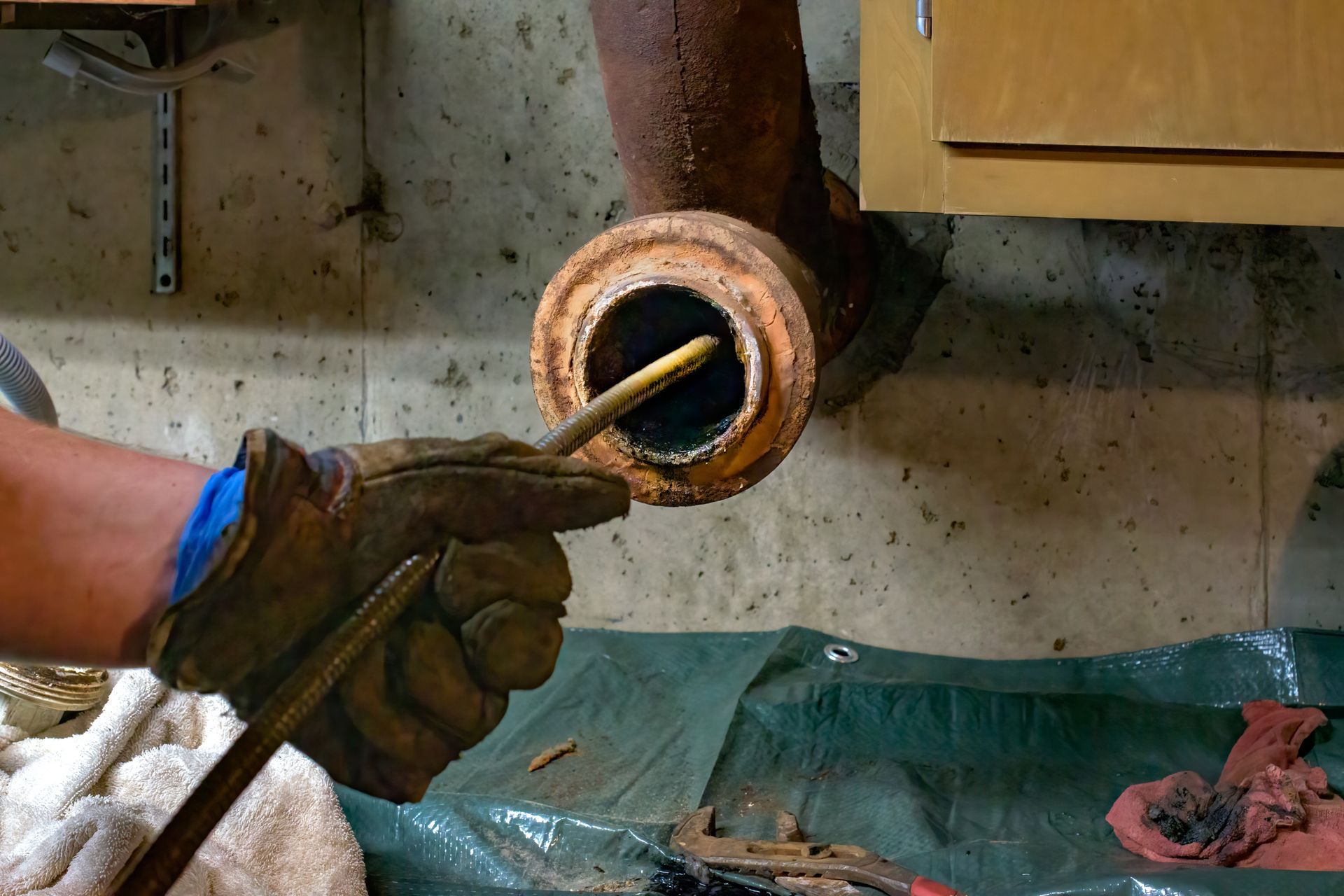
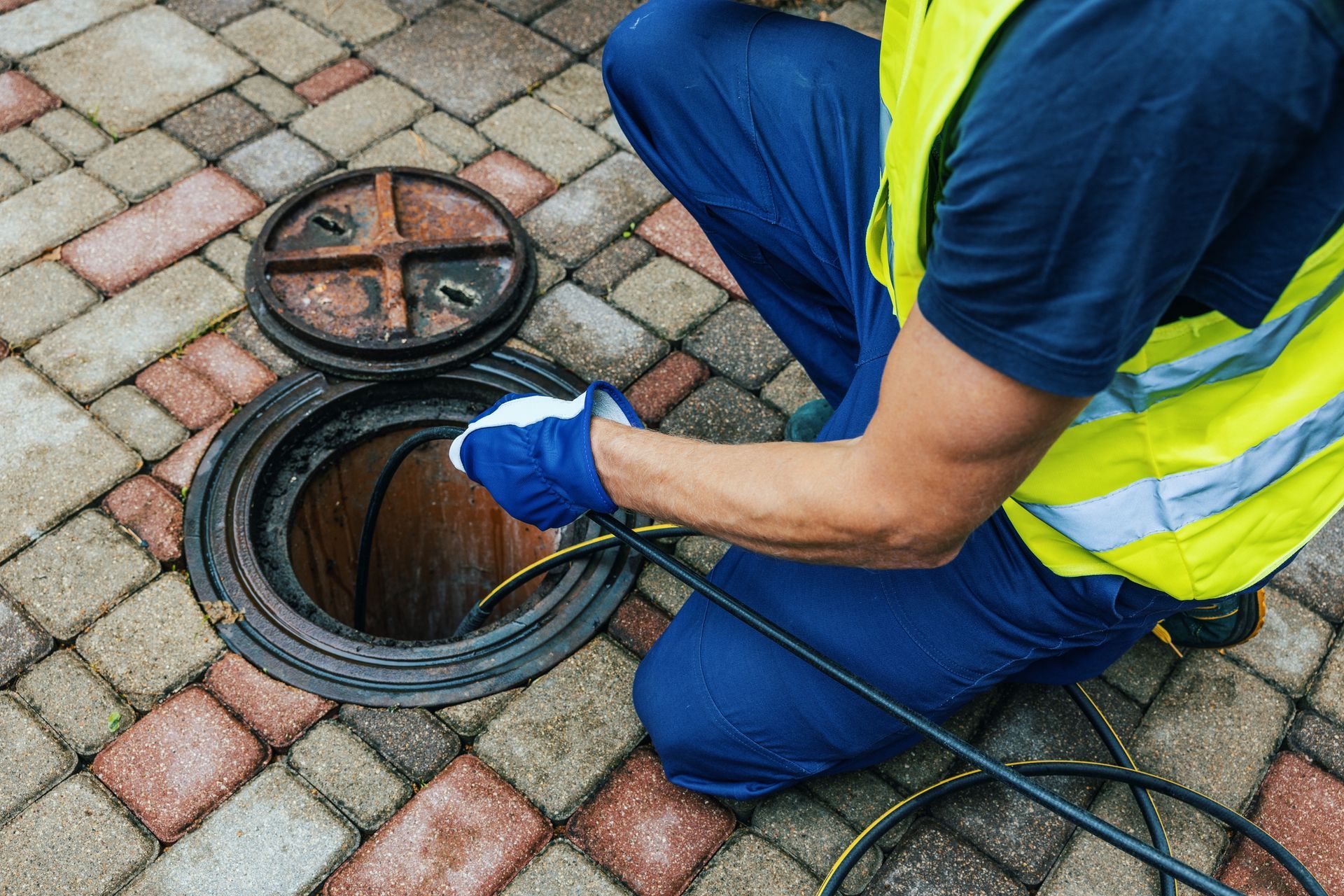
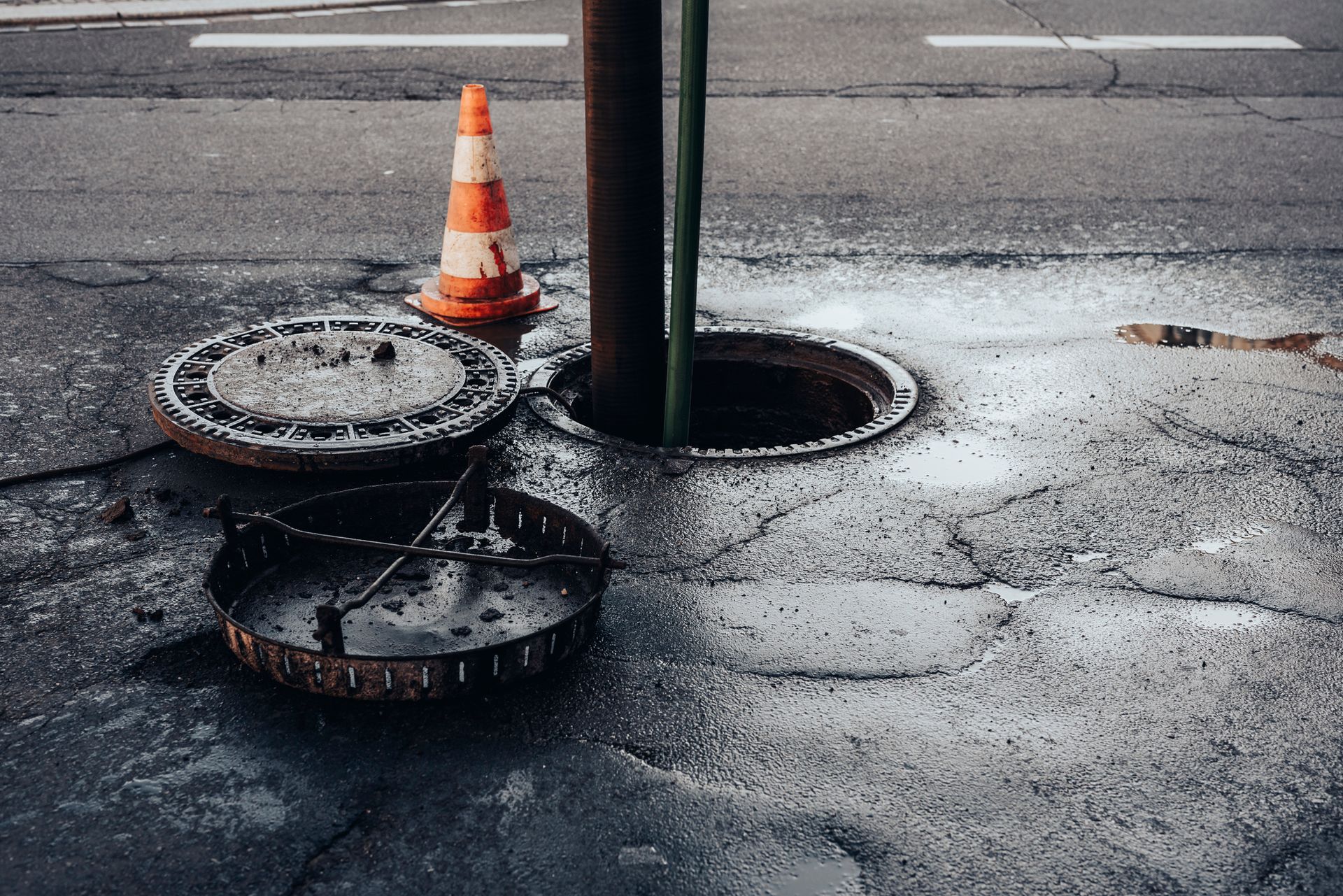
Hydro jetting cleans a sewer line by pushing high-pressure water through a flexible hose and specialized nozzle inserted into your pipe. The nozzle shoots water forward to break apart blockages and backward to scour the pipe walls, flushing grease, mineral scale, sludge, and debris completely out of the line rather than just poking a hole through a clog. Hydro jetting pipe line work is one of the most thorough cleaning methods available for residential and commercial sewer systems.
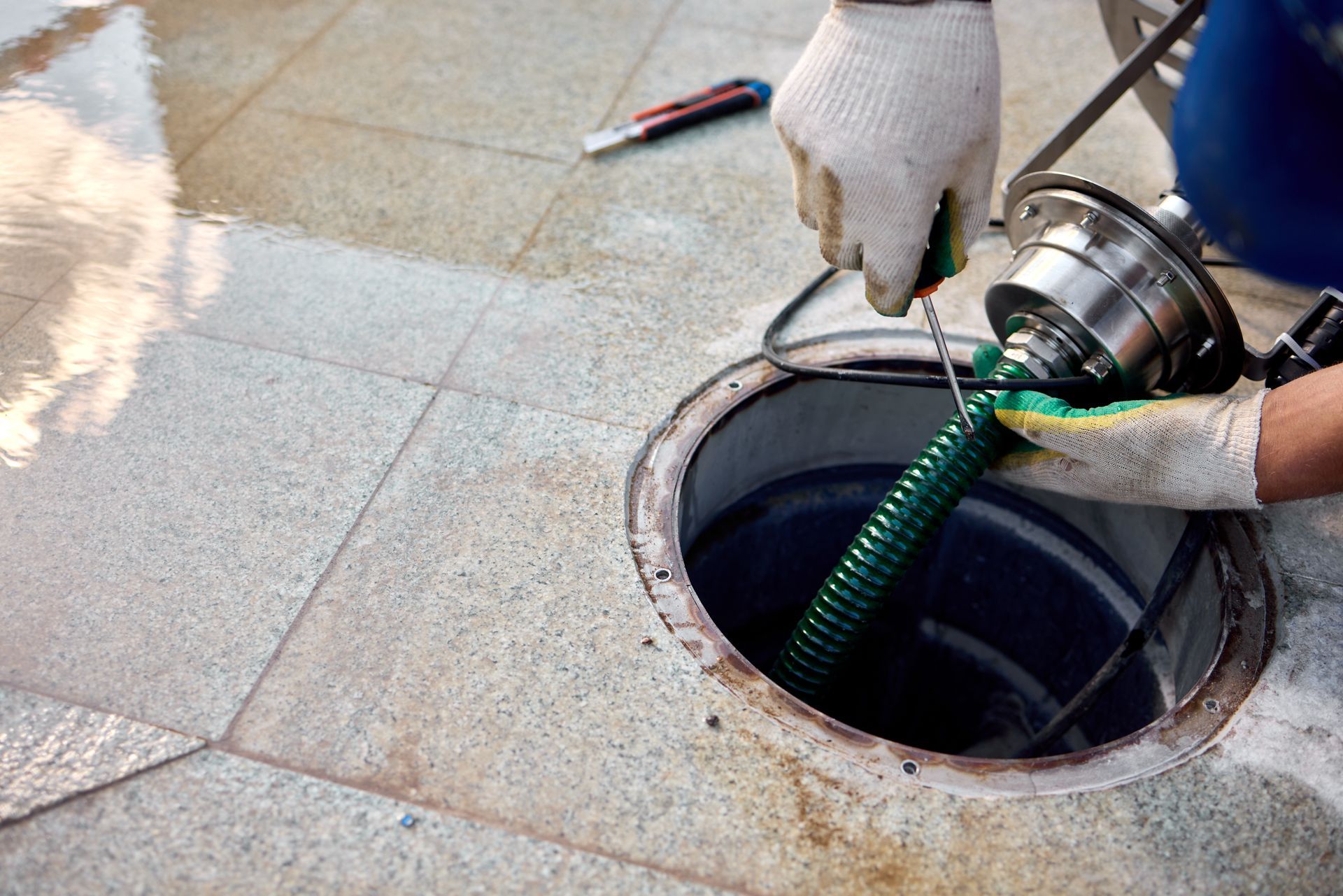
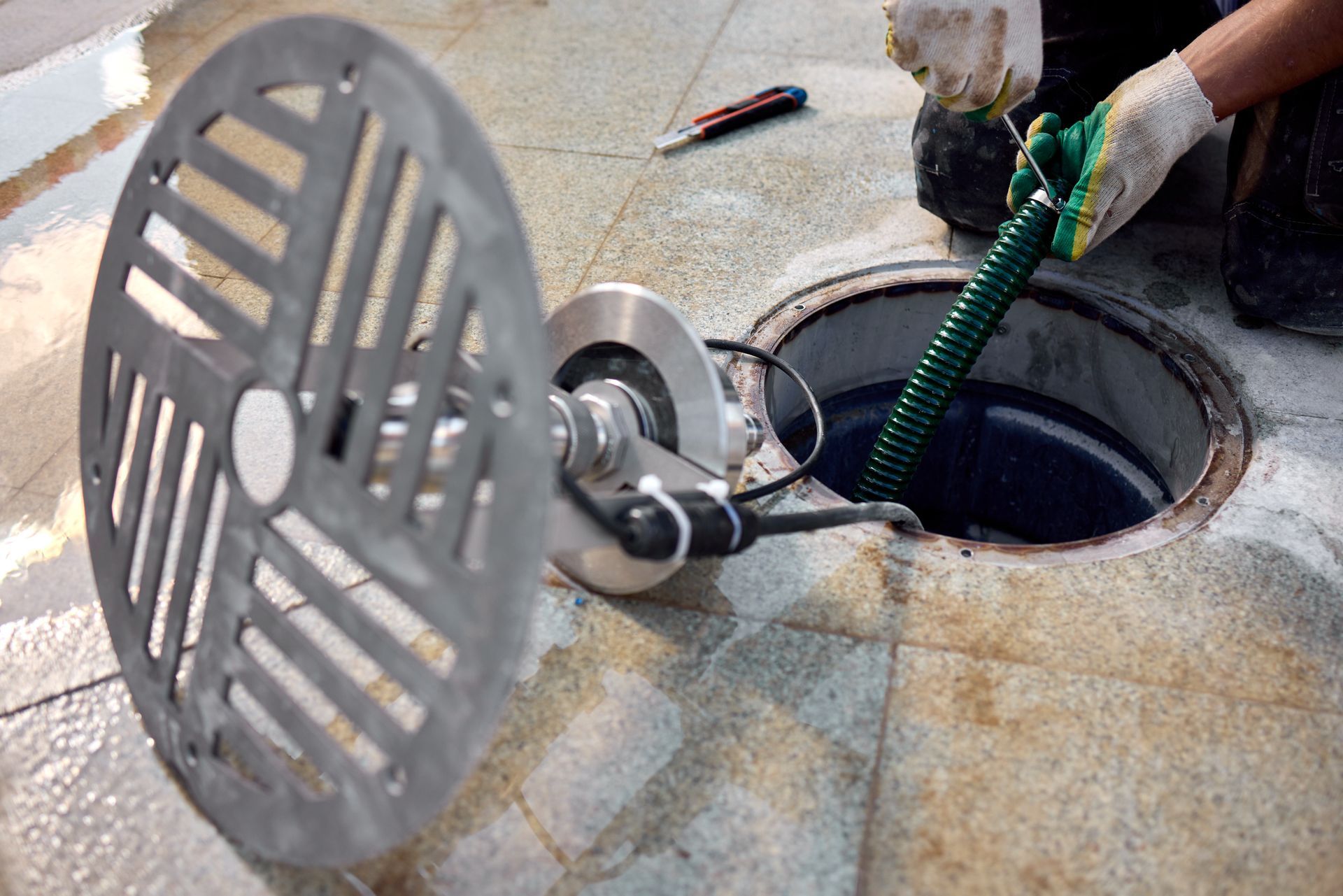
The equipment requires three key components: a high-pressure water pump, a flexible hose, and a nozzle designed to direct water in multiple directions. This combination lets technicians clean the entire interior of a pipe, not just the point of the blockage.
Because Davidson's clay soil can shift pipes over time, roots and sediment buildup are among the most common problems homeowners in neighborhoods like River Run or the older areas near Davidson College report. Hydro jetting addresses both effectively.
What PSI Is Used for Sewer Line Hydro Jetting?
PSI varies based on pipe material, pipe diameter, and the type of blockage. Most professional hydro jetting equipment operates between 1,500 and 4,000 PSI.
Here is a general breakdown by application:
- Residential lines (4- to 6-inch pipes): typically 1,500 to 2,000 PSI, which clears grease, soap buildup, and minor clogs without stressing the pipe.
- Commercial lines (8- to 12-inch pipes): may require 2,000 to 3,000 PSI to maintain cleaning effectiveness across the larger surface area.
- Larger municipal or industrial lines: can need 3,000 PSI or higher.
Pipe material also matters. New PVC handles the higher end of the residential PSI range well. Older cast iron or clay pipes, which appear in Davidson homes built before the 1970s, may need lower pressure settings to avoid cracking. Technicians dial back PSI based on what the camera shows before jetting begins.
PSI alone does not tell the whole story. Gallons per minute (GPM) is equally important because water volume is what pushes debris out of the line after pressure cuts through it. Understanding the PSI requirements for your specific hydro jetting pipe line situation helps you know what to expect when the technician arrives.
Does a Camera Inspection Need to Happen First?
A camera inspection before hydro jetting is strongly recommended. Sending a camera down the line lets the technician confirm pipe material, identify joint integrity, and locate the blockage.
This step matters especially in Davidson, where aging neighborhoods may have clay or cast iron pipes that cannot safely handle higher PSI. A camera inspection also rules out collapsed sections or severe cracking that would require repair before jetting. Jetting a compromised pipe without inspecting it first can make the problem worse. Many homeowners who schedule a hydro jetting pipe line service are surprised to learn the inspection is what makes the cleaning safe and effective.
How Is Hydro Jetting Different From Trenchless Repair?
Hydro jetting cleans the inside of an existing pipe. Trenchless repair methods such as pipe lining or pipe bursting fix structural damage, often through small access points without major digging. If your pipe is structurally sound but coated in buildup, hydro jetting pipe line cleaning is the right tool. If the pipe is cracked, collapsed, or badly misaligned, trenchless repair or replacement may be needed instead. The two services address different problems and are sometimes used together.
What Should Davidson, NC, Homeowners Expect on Service Day?
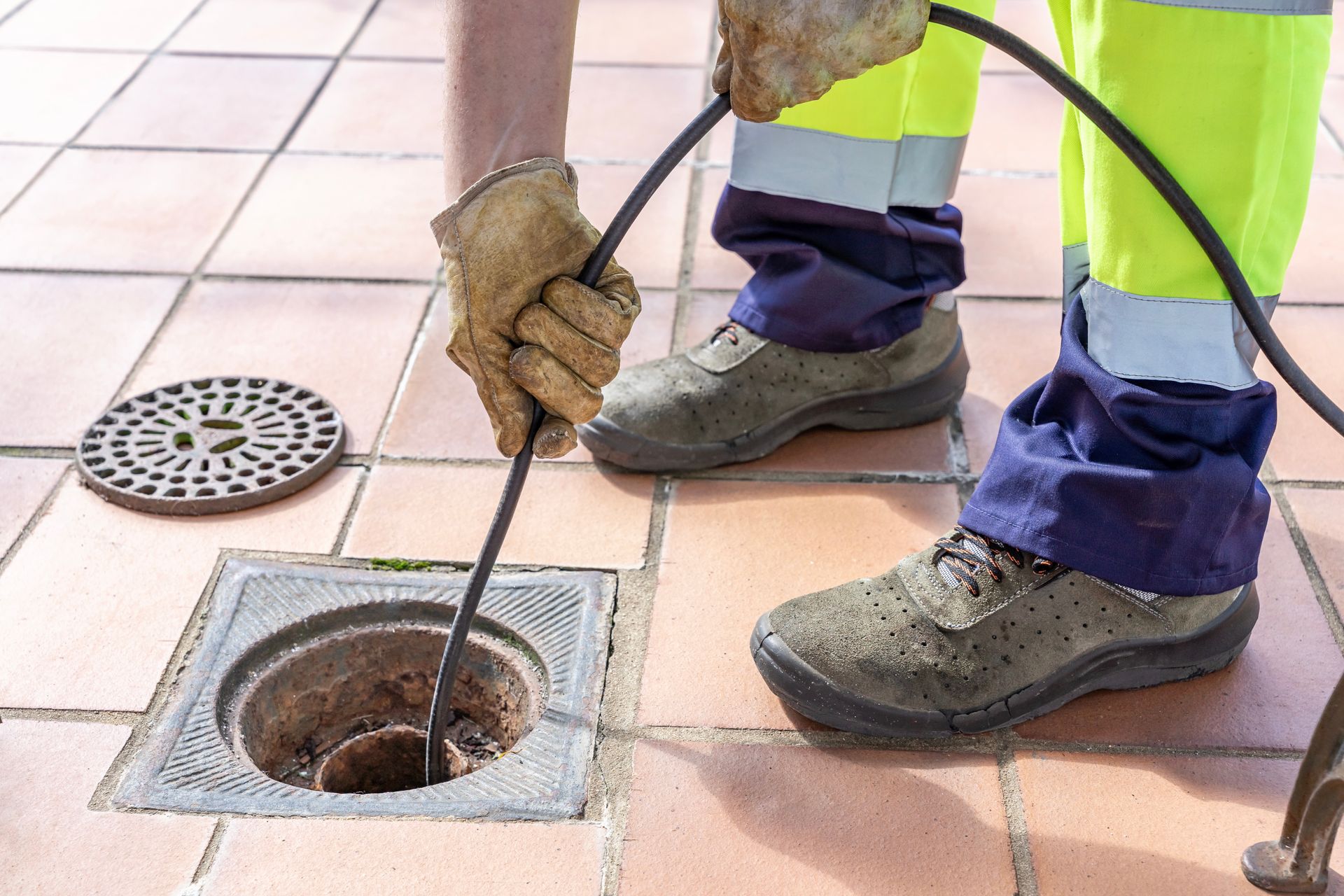
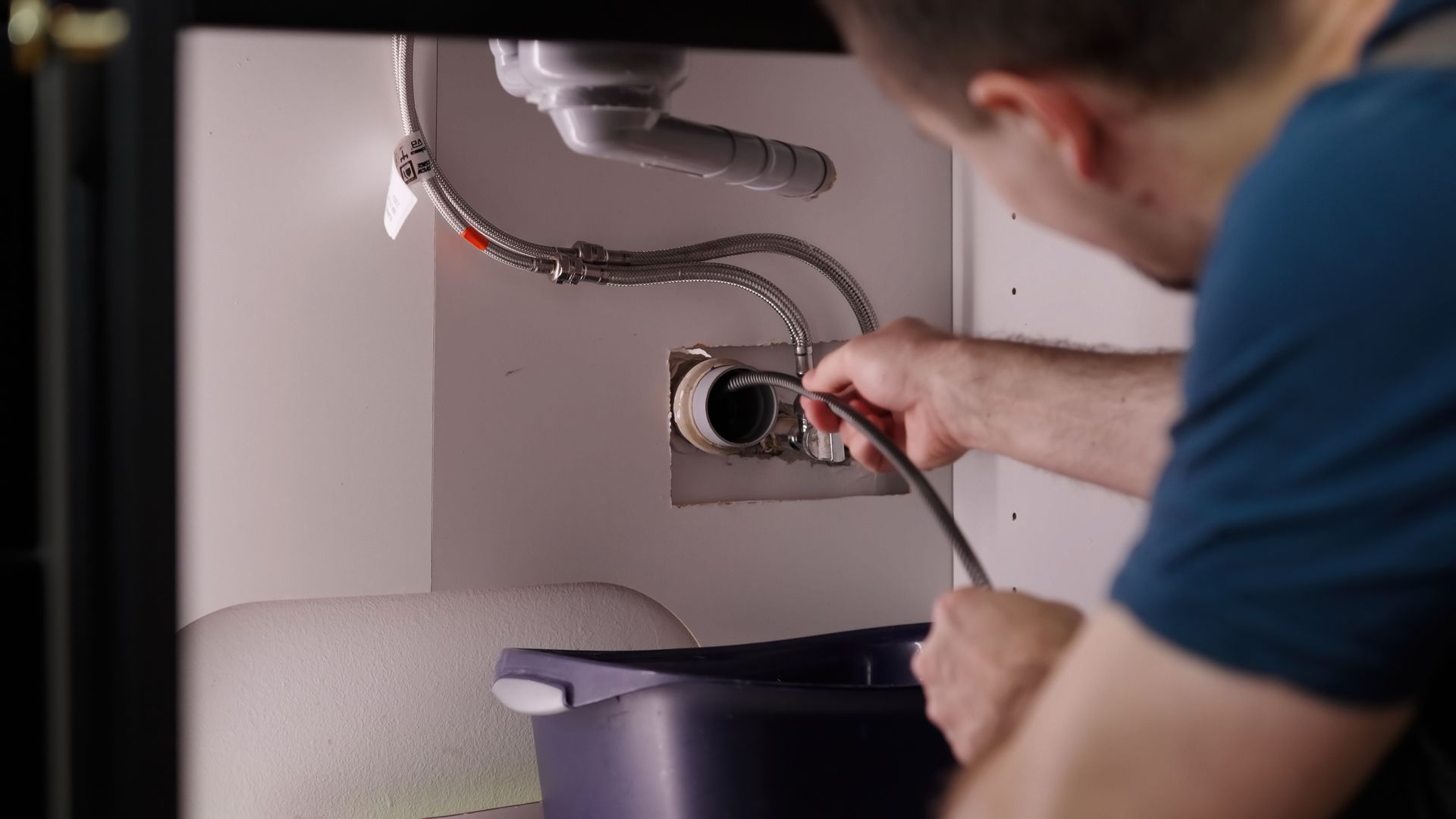
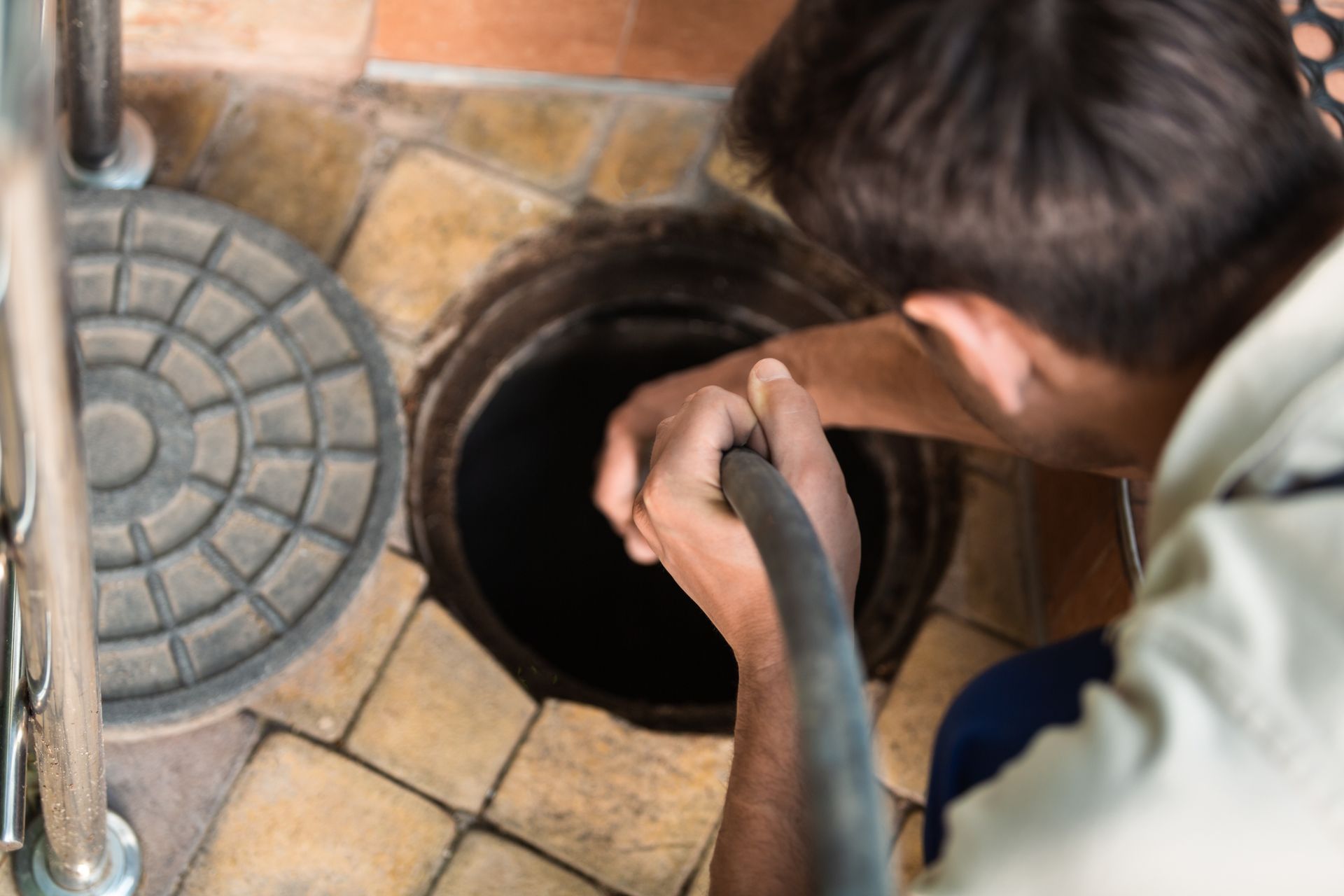
A technician will begin with a camera inspection to assess the line. Once pipe condition is confirmed, the jetter hose is inserted through a cleanout access point. High-pressure water clears the blockage and scrubs the pipe walls clean. The technician may perform a follow-up camera pass to confirm the line is fully clear.
Most residential sewer line jobs are completed in one to two hours. No digging is required for a straightforward hydro jetting pipe line service, and you can typically use your plumbing normally the same day.
Results in a residential setting can last two to four years with normal use. Commercial properties with high grease output may need the service more frequently.
Ready to Schedule Hydro Jetting for Your Davidson, NC, Property?
Thompson Plumbing & Pump Service Inc. serves the Davidson, NC, area with professional hydro jetting pipe line services backed by over 40 years of experience. The team uses camera inspection to assess your line before jetting begins, so pressure is calibrated to your pipe material and condition.
To schedule service, contact the team today or call (704) 664-2498. You can also find Thompson Plumbing & Pump Service Inc. on Google to read reviews from Davidson-area customers.
What PSI Is Used for Residential Hydro Jetting?
Most residential sewer lines are jetted at 1,500 to 2,000 PSI for 4- to 6-inch pipes, with professional equipment capable of reaching up to 4,000 PSI for tougher blockages. The exact pressure depends on pipe material, condition, and clog type.
Do I Need a Camera Inspection Before Hydro Jetting?
Yes. A camera inspection confirms pipe material and condition, identifies the blockage location, and ensures the pipe can safely handle jetting pressure.
How Long Does Hydro Jetting a Sewer Line Take?
A standard residential service typically takes one to two hours. Longer or more heavily blocked lines, particularly in commercial settings, may take additional time.
How Long Do Hydro Jetting Results Last?
Residential results can last two to four years under normal use. Commercial lines with heavy grease output may need service every six to twelve months.